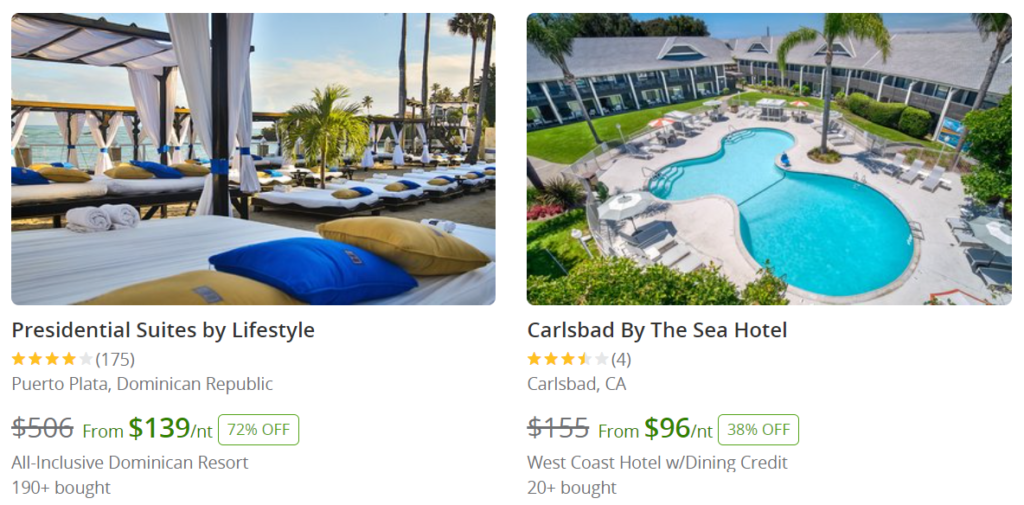
Securing a fantastic getaway shouldn’t break the bank. Last-minute hotel discounts offer a thrilling opportunity to experience luxury or budget-friendly travel without sacrificing your financial comfort. This exploration delves into the world of spontaneous travel, examining the factors driving these price reductions, the best strategies for finding them, and the potential benefits and drawbacks of booking at the last minute.
We’ll navigate various booking platforms, uncover hidden gems in different hotel categories, and equip you with the knowledge to make informed decisions. From understanding the psychology behind last-minute pricing to mastering negotiation tactics and leveraging loyalty programs, this guide empowers you to become a savvy last-minute hotel booker.
Understanding Last-Minute Hotel Discounts
Securing a last-minute hotel deal can significantly reduce travel costs. These discounts arise from a variety of factors, offering savvy travelers the chance to snag fantastic prices on accommodations. Understanding these factors and the types of discounts available can help you maximize your savings.Factors Influencing Last-Minute Hotel Price ReductionsHotel pricing is dynamic, fluctuating based on several key factors. Unsold rooms are a primary driver of last-minute discounts.
Hotels prefer to fill rooms rather than leave them vacant, leading to price reductions as the check-in date approaches. Demand also plays a crucial role; lower demand periods, such as weekdays or off-season, often see more aggressive discounting. Furthermore, competitive pressures within a specific market can prompt hotels to lower prices to attract guests. Finally, overbooking and cancellations can also lead to last-minute availability and discounted rates.
Types of Last-Minute Hotel Discounts
Hotels employ various strategies to fill vacant rooms. These include offering percentage-based discounts on the standard room rate, providing complimentary amenities such as breakfast or spa access, or bundling services, like airport transfers or dining credits, with the accommodation. Some hotels also offer “flash sales” – short-term, limited-availability discounts promoted through email lists or social media. Lastly, loyalty programs often provide exclusive last-minute deals to their members.
Examples of Hotels Frequently Offering Last-Minute Deals
Many hotel chains and independent properties regularly offer last-minute deals. Budget-friendly chains like Motel 6 and Travelodge are known for their competitive pricing, often increasing discounts as the check-in date nears. Mid-range chains, such as Holiday Inn Express and Hampton Inn, frequently participate in last-minute booking promotions. Luxury hotels, while less likely to offer deep discounts, may occasionally reduce prices to fill unsold rooms, particularly during off-peak seasons.
Specific examples are difficult to provide definitively as deals change frequently, but searching directly on hotel websites or using aggregator sites often reveals these opportunities.
Comparison of Last-Minute Discounts Across Hotel Categories
| Hotel Category | Discount Type | Typical Discount Percentage | Example Amenities |
|---|---|---|---|
| Budget | Percentage off, bundled services | 10-30% | Free Wi-Fi, basic breakfast |
| Mid-Range | Percentage off, complimentary amenities | 15-40% | Free breakfast, pool access, parking |
| Luxury | Percentage off, upgraded amenities | 5-25% | Complimentary breakfast, spa access, late checkout |
Finding Last-Minute Hotel Deals

Securing a last-minute hotel deal requires a strategic approach, leveraging online tools and understanding the dynamics of the travel industry. By employing effective search techniques and utilizing various booking platforms, significant savings are achievable, even when booking just days before your stay. This section Artikels practical strategies and resources to help you find the best last-minute hotel discounts.
Strategies for Locating Last-Minute Hotel Discounts Online
Several effective strategies exist for finding last-minute hotel deals online. These involve utilizing price comparison websites, directly contacting hotels, and being flexible with your travel dates and location. Price comparison websites aggregate offers from numerous hotels and booking platforms, allowing for easy price comparison. Directly contacting hotels can sometimes yield better deals, particularly if they have unsold rooms.
Flexibility in travel dates and location dramatically increases the chances of finding discounted accommodations. Consider traveling mid-week or during the off-season to maximize savings.
Using Hotel Booking Websites Effectively: A Step-by-Step Guide
Effectively using hotel booking websites requires a systematic approach. Begin by specifying your desired location and travel dates. Utilize the website’s filtering options to refine your search based on price, amenities, and guest ratings. Carefully review the hotel’s policies regarding cancellations and changes. Compare prices across multiple websites before making a reservation.
Read reviews from previous guests to gauge the hotel’s quality and service. Finally, ensure that all details are correct before confirming your booking.
Advantages and Disadvantages of Different Booking Platforms
Various online travel agencies (OTAs) and hotel booking platforms offer distinct advantages and disadvantages. OTAs like Expedia or Booking.com often provide a wide selection of hotels and competitive prices but may charge additional fees. Direct booking through a hotel’s website can sometimes offer better rates and loyalty programs but may lack the comparison capabilities of OTAs. Specialized platforms focusing on last-minute deals, such as HotelTonight, offer limited inventory but potentially significant discounts.
The choice of platform depends on individual priorities, such as price, selection, and desired amenities.
Mobile Apps for Last-Minute Hotel Bookings
Mobile apps offer convenient access to last-minute hotel deals. These apps often incorporate features such as location-based searches and push notifications for price drops.
- HotelTonight: Specializes in last-minute deals with a focus on stylish hotels.
- Expedia: Offers a wide selection of hotels and various travel services.
- Booking.com: Provides a vast database of hotels worldwide with detailed information and user reviews.
- Priceline: Known for its “Name Your Own Price” feature, offering potential savings on undisclosed hotels.
- Hopper: Uses predictive analytics to forecast price trends, helping users identify optimal booking times.
Types of Last-Minute Hotel Deals
Securing a last-minute hotel stay doesn’t always mean settling for a subpar experience. In fact, the urgency often translates into surprisingly attractive deals, varying significantly in their nature and availability. Understanding the different types of last-minute offers can significantly improve your chances of finding a great bargain. This section will explore the nuances between different types of deals, highlighting their unique characteristics and associated restrictions.The availability of last-minute hotel deals hinges on several factors, including seasonality, hotel occupancy rates, and overall market demand.
Understanding these variables is key to maximizing your savings potential.
Flash Sales Versus Early Bird Discounts
Flash sales and early bird discounts represent opposite ends of the booking spectrum. Flash sales, as the name suggests, are time-sensitive promotions offering deep discounts for a limited period, often lasting only a few hours or a day. These deals are designed to fill quickly-emptying rooms and often involve significant price reductions to incentivize immediate booking. Early bird discounts, conversely, reward travelers who book well in advance, offering a lower rate in exchange for committing to a reservation weeks or even months prior to arrival.
The key difference lies in the timing – immediacy for flash sales versus pre-planning for early bird discounts. While seemingly contradictory to the “last-minute” theme, some early bird deals might still offer attractive rates even if booked close to the cutoff date, depending on the hotel’s occupancy.
Last-Minute Deals Versus Last-Minute Discounts
The terms “last-minute deals” and “last-minute discounts” are often used interchangeably, but there’s a subtle distinction. A “last-minute discount” refers specifically to a reduced price offered on a room. A “last-minute deal,” however, encompasses a broader range of offers, potentially including discounts but also extending to bundled packages, upgraded amenities, or other added value propositions. For example, a last-minute deal might include a discounted room rate plus a complimentary breakfast or airport shuttle.
Restrictions Associated with Last-Minute Hotel Bookings
Last-minute bookings often come with restrictions, primarily concerning cancellation policies. Hotels offering heavily discounted rates for last-minute reservations frequently impose stricter cancellation policies, sometimes with no refunds allowed. Other potential restrictions could include limitations on room upgrades, specific room types being available, or restrictions on changes to the booking. It’s crucial to carefully review the terms and conditions before confirming any last-minute booking to avoid unexpected fees or disappointments.
Examples of Creative Last-Minute Deals
Hotels employ creative strategies to attract last-minute guests. One common approach is offering bundled packages. These might include combining a discounted room rate with activities like spa treatments, dinner at the hotel restaurant, or tickets to local attractions. Another example is offering complimentary upgrades, such as moving a guest from a standard room to a suite if available, or providing extra amenities like late checkout or free Wi-Fi.
Some hotels might even offer themed packages, like a romantic getaway package or a family fun package, tailoring the deal to a specific target audience. These creative deals aim to boost occupancy and provide added value for the last-minute traveler.
Benefits and Risks of Last-Minute Hotel Bookings
Securing a hotel room at the last minute can be a gamble, offering the potential for significant savings but also presenting the risk of limited options and less control over your travel arrangements. Understanding the inherent benefits and drawbacks is crucial for making an informed decision. This section will explore the advantages and disadvantages of this approach, allowing you to weigh the pros and cons before booking your next stay.
Potential Benefits of Last-Minute Hotel Bookings
Last-minute hotel bookings can sometimes lead to unexpectedly good deals. Hotels, eager to fill vacant rooms, often drastically reduce their prices as the check-in date approaches. This is particularly true during periods of lower-than-expected demand, or when unforeseen cancellations leave rooms available. Additionally, while less common, some hotels may offer last-minute upgrades to entice guests. This means you might find yourself unexpectedly enjoying a suite at the price of a standard room.
Potential Drawbacks of Last-Minute Hotel Bookings
While the allure of discounted prices is strong, last-minute bookings also come with limitations. The most significant drawback is the severely restricted choice of hotels and room types. Your preferred hotel may be fully booked, leaving you with less desirable options or forcing you to compromise on location or amenities. Furthermore, last-minute bookings often offer less flexibility.
Should your plans change, altering or canceling your reservation might be difficult or incur substantial penalties. Finally, the thrill of the hunt for a last-minute deal can be stressful, adding unnecessary pressure to what should be a relaxing travel experience.
Comparison of Last-Minute versus Advance Bookings
Booking in advance allows for meticulous planning and greater control over your travel arrangements. You can secure your preferred hotel, room type, and potentially even better rates through early bird discounts or package deals. Conversely, last-minute bookings prioritize securing a room at any cost, potentially leading to compromises on location, amenities, and overall experience. While the price might be lower, the trade-off is a lack of choice and potential stress.
Consider your priorities: Do you value peace of mind and planning, or are you willing to gamble for a potentially lower price and accept the associated risks?
Pros and Cons of Last-Minute Hotel Bookings
| Pros | Cons |
|---|---|
| Potentially lower prices | Limited hotel and room choices |
| Unexpected upgrades (rare) | Less flexibility and difficulty with changes/cancellations |
| Spontaneity and adventure | Potential for higher stress levels during the booking process |
| Possibility of discovering hidden gems | Compromise on preferred location, amenities, or hotel standards |
LAST-MINUTE DEALS
Last-minute hotel deals, often appearing as surprisingly low prices just days or even hours before check-in, are a result of a complex interplay between hotel pricing strategies and the fluctuating demand for rooms. Understanding the psychology behind these deals and the inventory management techniques employed by hotels can significantly improve your chances of securing a great last-minute bargain.Hotels utilize dynamic pricing models, adjusting rates based on real-time demand, competitor pricing, and the number of unsold rooms.
This is a sophisticated approach to revenue management, aiming to maximize occupancy and revenue regardless of the timing of bookings.
Hotel Pricing Psychology
Hotels employ last-minute pricing strategies based on the understanding that unsold rooms represent lost revenue. As the check-in date approaches, the pressure to fill those rooms increases, leading to significant price reductions. This is driven by the principle of opportunity cost – a vacant room generates zero revenue, making even a discounted rate more profitable than an empty room.
Hotels also leverage the psychological principle of scarcity; limited availability at a discounted price creates a sense of urgency, encouraging quick bookings. The anticipation of potential revenue loss, coupled with the psychological impact of scarcity, directly influences the aggressive discounting seen in last-minute deals.
Inventory Management and Last-Minute Deals
Hotels use sophisticated software and algorithms to predict demand and manage their inventory. These systems analyze historical data, current booking trends, and external factors (like local events or seasonal changes) to forecast occupancy. As the check-in date nears, the system identifies rooms that are likely to remain unsold and dynamically adjusts prices to incentivize bookings. Overbooking is also a strategy sometimes employed; although it carries risks, it allows hotels to compensate for cancellations and ensure high occupancy rates.
Sophisticated revenue management systems allow hotels to fine-tune their pricing strategies, balancing the potential for lost revenue from unsold rooms with the need to maintain profitability. For example, a hotel might release a block of rooms at a significantly reduced rate an hour before check-in to fill any remaining vacancies.
Negotiating Better Last-Minute Rates
While last-minute deals are often already discounted, there’s still room for negotiation. Calling the hotel directly, rather than relying solely on online booking platforms, often yields better results. Be polite but firm, explaining that you’re considering other options if a better rate isn’t available. Highlighting any flexibility you have with your dates or room type can also increase your bargaining power.
For instance, expressing willingness to accept a slightly smaller room or a less desirable view might lead to a more significant discount. Remember to always be respectful and professional during negotiations.
Utilizing Hotel Loyalty Programs for Last-Minute Bookings
Hotel loyalty programs offer several advantages for last-minute bookings. Members often receive preferential treatment, including access to exclusive discounts and early access to sales that are not advertised publicly. Furthermore, loyalty program status can influence room upgrades or complimentary amenities, adding value beyond the initial discounted rate. For example, a Gold member might receive a complimentary breakfast or late check-out, enhancing the overall experience despite booking at the last minute.
Checking the loyalty program’s website or app directly before using a third-party booking site is always advisable, as exclusive offers may be available only to members.
Embracing the thrill of last-minute hotel deals can lead to incredible savings and unforgettable experiences. By understanding the factors influencing pricing, employing effective search strategies, and carefully weighing the pros and cons, you can transform the potential risks into rewarding adventures. Remember to always check cancellation policies and compare options before committing to a booking. Happy travels!
FAQ Corner
Are last-minute hotel discounts always available?
No, availability varies depending on the hotel, location, and time of year. Peak seasons generally offer fewer discounts.
How far in advance should I start looking for last-minute deals?
Ideally, start searching a few days to a week before your desired travel dates, but some deals appear even closer to the check-in date.
What payment methods are typically accepted for last-minute bookings?
Most booking platforms accept major credit cards and sometimes debit cards. Always check the specific payment options offered by the hotel or booking site.
Can I change or cancel a last-minute hotel booking?
Cancellation policies vary greatly. Some are non-refundable, while others may allow changes for a fee. Carefully review the cancellation policy before booking.