Spontaneous weekend getaways are alluring, offering a much-needed escape from routine. The thrill of finding a last-minute hotel deal adds an extra layer of excitement, transforming a simple trip into a treasure hunt. This guide delves into the world of last-minute weekend hotel deals, exploring how to find them, understand their appeal, and maximize their value for both travelers and hotels.
We’ll examine the psychological factors that make these deals so attractive, provide practical tips for securing the best offers, and analyze the various types of deals available. We’ll also look at how hotels leverage dynamic pricing and marketing strategies to fill rooms and boost revenue, and consider the broader context of last-minute deals across different industries.
Understanding the Appeal of Last-Minute Weekend Hotel Deals
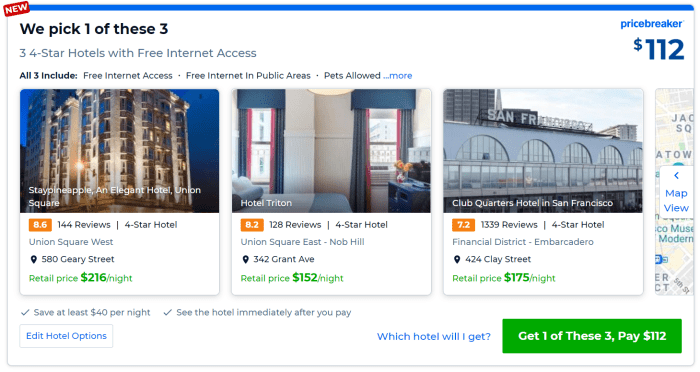
The allure of last-minute weekend hotel deals stems from a potent combination of psychological factors and practical considerations. The thrill of spontaneity, the desire for a quick escape from routine, and the perceived bargain all contribute to their immense popularity. This appeal is carefully cultivated by hotels and online travel agencies, leveraging marketing strategies designed to resonate with specific consumer segments.The psychological drivers behind this trend are multifaceted.
The element of surprise and the excitement of an unplanned adventure appeal to a sense of freedom and rebellion against the predictability of daily life. The perceived value – getting a luxury stay at a significantly reduced price – triggers a powerful reward response, making the deal even more attractive. Furthermore, the limited availability creates a sense of urgency, prompting quick decision-making and a fear of missing out (FOMO), a potent marketing tool.
Marketing Messages Targeting Last-Minute Weekend Getaways
Effective marketing campaigns for last-minute weekend deals often highlight the spontaneity and affordability. Messages emphasizing the ease of booking and the luxurious experience at a fraction of the usual cost are highly effective. For example, a campaign might use imagery of a couple enjoying a relaxing spa day, followed by a tagline like, “Escape the ordinary: Luxurious weekend getaway, starting at just $99!” Another successful approach involves showcasing unique local experiences that can be enjoyed during a short trip, such as “Explore the hidden gems of [City Name]: Your last-minute weekend adventure awaits!” These messages directly address the desire for a quick, affordable, and enriching experience.
Demographics of Last-Minute Weekend Hotel Deal Bookers
While the appeal of last-minute deals is broad, certain demographics are more likely to book them. Young professionals (25-40 years old) often utilize these deals for spontaneous getaways, leveraging flexible work arrangements or shorter workweeks. Couples seeking romantic escapes or families looking for a quick break from routine also represent significant segments. Furthermore, individuals with less rigid schedules and a higher tolerance for risk are more inclined to take advantage of these unpredictable offers.
Data from travel agencies shows a clear correlation between increased bookings of last-minute deals and periods of higher stress levels, indicating that these deals serve as a form of stress relief and escape.
Types of Last-Minute Weekend Hotel Deals
Securing a fantastic weekend getaway doesn’t always require months of planning. Last-minute hotel deals offer a thrilling opportunity to escape the routine, often at significantly reduced prices. Understanding the different types of deals available can help you maximize your savings and find the perfect weekend escape. These deals often leverage unsold inventory to fill rooms, resulting in attractive discounts for the savvy traveler.Last-minute hotel deals are categorized in several ways, each offering unique advantages and disadvantages.
Understanding these distinctions allows travelers to choose the deal best suited to their needs and travel style. The availability and specifics of these deals can vary depending on the hotel, location, and time of year.
Flash Sales
Flash sales are characterized by their extremely limited duration and availability. These deals typically offer significant discounts for a very short period, sometimes only a few hours. They often involve a limited number of rooms, creating a sense of urgency and encouraging immediate booking.
- Advantage: Deep discounts are available for those who act quickly.
- Disadvantage: Requires immediate decision-making and may involve less flexibility in choosing specific room types or dates.
Limited-Time Offers
These deals are similar to flash sales but typically last longer, often spanning a few days or even a week. While the discounts might not be as drastic as flash sales, they still offer considerable savings and provide more time to consider the offer. These offers often promote specific themes, such as romantic getaways or family packages.
- Advantage: More time to consider and book, allowing for greater flexibility.
- Disadvantage: Discounts may be less substantial than flash sales.
Loyalty Program Discounts
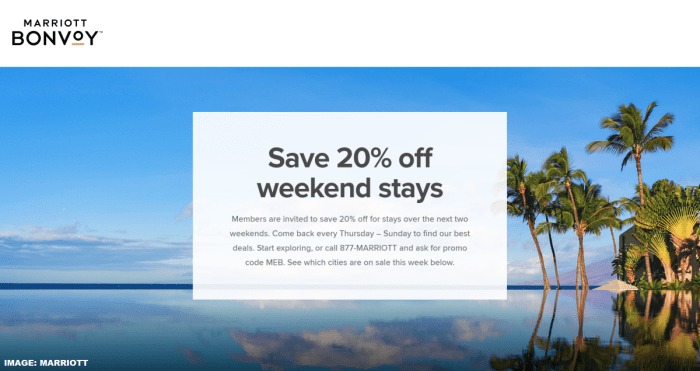
Hotels often reward their loyal customers with exclusive discounts and perks, including last-minute weekend deals. These programs usually require accumulating points or stays over time to unlock these benefits. Members often receive priority access to deals and special offers not available to the general public.
- Advantage: Consistent access to discounts and other benefits, rewarding frequent travelers.
- Disadvantage: Requires participation in a loyalty program and accumulating points or stays.
Package Deals
These deals often bundle hotel accommodation with other services, such as meals, spa treatments, or activities. This can provide excellent value, especially for travelers seeking a comprehensive weekend experience. The discounts offered might not solely focus on the room rate but instead encompass the entire package.
- Advantage: Convenient bundling of services at a potentially lower overall cost.
- Disadvantage: May include services you don’t need, potentially increasing the overall cost if you wouldn’t have purchased them separately.
Strategies for Hotels Offering Last-Minute Deals
Hotels can significantly boost occupancy and revenue by implementing effective strategies for their last-minute deals. These strategies go beyond simply discounting rooms; they involve understanding customer behavior, leveraging technology, and utilizing targeted marketing campaigns. Success hinges on a balance between maximizing profit and ensuring a steady stream of bookings.
A Hypothetical Marketing Campaign for Increased Last-Minute Bookings
Imagine the “Weekend Escape” campaign for the fictional “Coastal Breeze Hotel.” This campaign targets city dwellers seeking a quick getaway. The hotel would partner with local businesses, offering package deals that include hotel stays, restaurant vouchers, and tickets to nearby attractions. Marketing materials would feature stunning images of the hotel and surrounding area, emphasizing relaxation and rejuvenation. The campaign would utilize social media, email marketing, and partnerships with travel bloggers to reach a wide audience.
The core message would highlight the spontaneity and affordability of last-minute weekend escapes, urging potential guests to “book now and unwind.” A key element would be a dedicated landing page on the hotel website showcasing the deals, making the booking process simple and intuitive. The campaign would also include a strong call to action, encouraging immediate booking to secure the best available rates.
A/B testing of different marketing materials and offers would be employed to optimize the campaign’s effectiveness.
The Role of Dynamic Pricing in Maximizing Revenue from Last-Minute Deals
Dynamic pricing, which adjusts prices based on real-time demand and other factors, is crucial for maximizing revenue from last-minute deals. By analyzing data such as occupancy rates, competitor pricing, and historical booking patterns, the hotel can strategically adjust prices to optimize revenue. For instance, if occupancy is low on a particular weekend, the hotel can significantly lower prices to attract last-minute bookings.
Conversely, if demand is high, prices can be slightly adjusted upwards to capitalize on the increased demand without deterring potential guests. Sophisticated algorithms can automate this process, ensuring prices are consistently optimized. This requires careful monitoring and adjustment, taking into account factors such as weather forecasts (which might affect demand) and major local events. For example, a hotel near a concert venue could use dynamic pricing to increase prices on concert weekends, reflecting the higher demand.
Leveraging Social Media to Promote Last-Minute Offers
Social media platforms offer a powerful channel for promoting last-minute hotel deals. The Coastal Breeze Hotel, for example, could utilize Instagram and Facebook to showcase visually appealing content, such as photos and videos of hotel amenities and nearby attractions. Short, engaging videos showcasing the ease of booking last-minute deals would also be effective. Targeted advertising campaigns on these platforms allow the hotel to reach specific demographics interested in weekend getaways.
Running contests and giveaways, such as offering a free weekend stay to a lucky winner, could generate excitement and increase brand awareness. Real-time updates on available rooms and special offers can create a sense of urgency, encouraging immediate bookings. Influencer marketing, collaborating with travel bloggers or social media personalities, can also drive significant engagement and reach a broader audience.
The use of relevant hashtags, such as #WeekendGetaway #LastMinuteDeals #TravelDeals, will increase the visibility of the posts. Finally, monitoring social media mentions and responding promptly to customer inquiries will build a positive brand reputation and foster customer loyalty.
The Impact of Seasonality and Events
Last-minute weekend hotel deals are significantly influenced by the interplay of seasonal changes and local events. Understanding these factors is crucial for both travelers seeking bargains and hotels aiming to optimize their occupancy rates. Demand fluctuates dramatically throughout the year, impacting both the availability and pricing of these deals.Seasonal changes directly affect the demand for weekend getaways. Peak seasons, such as summer holidays and long weekends, typically see higher occupancy and consequently, fewer last-minute deals or higher prices for those that are available.
Conversely, shoulder seasons (periods before and after peak seasons) and off-seasons often present more opportunities for attractive last-minute offers as hotels strive to fill vacant rooms. For instance, a beach resort might offer significantly discounted rates during the off-season (winter) compared to the peak summer months. Similarly, mountain resorts might see a surge in bookings during the winter ski season, leaving fewer last-minute deals available and possibly at higher prices.
Seasonal Pricing Adjustments by Hotels
Hotels employ various strategies to adapt their pricing to seasonal fluctuations. During peak seasons, hotels may increase their base rates and offer fewer last-minute discounts, prioritizing bookings made well in advance. In contrast, during off-seasons, they might implement aggressive discounting strategies, such as offering significant percentage reductions on room rates, complimentary amenities (like breakfast or spa access), or package deals that bundle accommodation with other services.
A city center hotel, for example, might offer a 30% discount on weekend stays during the quiet winter months, while charging full price or even a premium during major conferences or holiday periods.
The Influence of Local Events on Last-Minute Deals
Local events, whether major festivals, concerts, sporting events, or conferences, exert a considerable influence on hotel pricing and availability. During events that attract large crowds, hotels often increase their rates due to high demand, potentially eliminating last-minute deals altogether. Hotels might even implement minimum stay requirements during such periods. However, events that draw smaller, more niche crowds might not have the same impact, possibly leading to increased availability of last-minute deals if the event doesn’t fill all the rooms.
For example, a small town hosting a local craft fair might see a slight increase in hotel bookings, but still offer some last-minute deals, unlike a major music festival in a large city that would likely have no last-minute availability and higher prices.
Predicting High and Low Demand Periods
Predicting high and low demand periods for last-minute hotel bookings involves analyzing historical booking data, considering upcoming events, and monitoring economic indicators. Hotels often utilize sophisticated revenue management systems to forecast demand and adjust their pricing accordingly. For example, a hotel near a popular sporting stadium can accurately predict high demand during game weekends by analyzing previous booking patterns for similar events.
This allows them to adjust pricing strategically, potentially offering fewer last-minute deals or increasing prices for those that are available. Conversely, by analyzing historical data and observing local economic trends, a hotel in a smaller town can predict periods of lower demand and adjust their pricing strategies to offer attractive last-minute deals to stimulate bookings. Analyzing social media trends and online searches related to local events can also be a useful tool for predicting demand.
Last-Minute Deals
Last-minute weekend hotel deals present a unique opportunity for hotels to maximize occupancy and revenue, particularly during periods of lower demand. However, the potential extends beyond simply filling empty rooms. By strategically bundling these deals with complementary travel services, hotels can significantly enhance their appeal and increase the overall value proposition for guests. This approach transforms a simple hotel stay into a comprehensive weekend getaway experience.
Bundling Last-Minute Hotel Deals with Other Travel Services
Hotels can leverage their existing infrastructure and partnerships to create attractive packages. This involves collaborating with airlines, tour operators, and local activity providers to offer a seamless and convenient booking experience. For example, a hotel could partner with a local airline to offer discounted flights in conjunction with a last-minute hotel deal. Similarly, they could bundle the hotel stay with tickets to local attractions, guided tours, or even restaurant vouchers, creating a more complete and enticing offer.
The key is to curate packages that cater to specific interests and demographics, enhancing the overall value and making the deal more appealing than booking individual components separately.
Creating Attractive Package Deals to Increase Bookings
The creation of compelling package deals requires careful consideration of several factors. Firstly, the hotel must identify its target audience and understand their preferences. Are they families seeking fun activities? Couples looking for a romantic escape? Business travelers needing convenient access to meeting facilities?
Once the target market is defined, the hotel can tailor the package to meet their specific needs. This includes selecting complementary services and activities that resonate with the target group. Pricing is also crucial; the package should offer a significant discount compared to booking the components individually, making it an attractive proposition. Clear and concise marketing materials, highlighting the value and convenience of the package, are essential for driving bookings.
Hypothetical Package Deal: A Romantic Weekend Getaway
Imagine a last-minute weekend getaway package offered by the “Ocean View Inn,” a charming boutique hotel located near a picturesque coastal town. The package, titled “Coastal Romance,” includes:
- One night’s stay in a Deluxe Ocean View Room at the Ocean View Inn.
- A romantic candlelit dinner for two at the hotel’s acclaimed restaurant, “The Seabreeze Bistro.”
- A couples massage at the hotel’s spa.
- Two tickets to a sunset cruise along the coast.
The package price is $500, representing a 25% discount compared to the individual cost of each component. The package is promoted through targeted online advertising and email campaigns to couples aged 30-50, emphasizing the romantic aspects of the getaway and the significant savings offered. The imagery used in the marketing materials showcases the breathtaking ocean views, the luxurious hotel rooms, and the romantic atmosphere of the dinner and cruise.
This comprehensive package provides a memorable and valuable experience, significantly increasing the likelihood of booking compared to a simple last-minute hotel deal alone.
Exploring the Concept of “LAST-MINUTE DEALS” in a Broader Context
The appeal of last-minute deals transcends the hospitality industry, tapping into a fundamental aspect of human psychology: the desire for a perceived bargain and the thrill of urgency. This strategy leverages the fear of missing out (FOMO) and the immediate gratification associated with quick decisions, leading to impulsive purchases. Understanding this psychological underpinning is key to appreciating the widespread adoption of last-minute deals across diverse sectors.The inherent urgency associated with last-minute deals stems from several psychological factors.
The limited timeframe creates a sense of scarcity, making the offer appear more valuable. This scarcity, combined with the potential for a significant discount, triggers a strong emotional response, overriding rational decision-making processes in some consumers. The psychological pressure to act quickly, before the opportunity disappears, compels many to make a purchase they might otherwise have delayed or forgone.
Industries Utilizing Last-Minute Deals
Many industries beyond hospitality effectively utilize last-minute deals. The airline industry, for example, frequently offers discounted fares for flights with imminent departure times to fill empty seats. Similarly, the entertainment sector, including theaters and concert venues, often releases last-minute tickets at reduced prices to maximize occupancy. The travel industry, encompassing cruise lines and tour operators, also employs this strategy, offering discounted packages for immediate bookings.
Even the retail sector, particularly for perishable goods or items with short shelf lives, utilizes last-minute discounts to avoid waste and stimulate sales.
Comparative Strategies Across Industries
While the core concept remains the same – offering discounted products or services with a short timeframe – the specific strategies employed vary across industries. Airlines often use dynamic pricing models, adjusting prices based on real-time demand and seat availability. This contrasts with the more static approach sometimes seen in the hospitality sector, where hotels might offer a fixed discount for last-minute bookings within a specific price range.
The entertainment industry may utilize a tiered system, offering progressively larger discounts as the event approaches, while retailers might employ flash sales or limited-time promotions to create a sense of urgency and exclusivity. These variations reflect the unique characteristics of each market and the varying degrees of flexibility in managing inventory or capacity.
Securing a last-minute weekend hotel deal can be a rewarding experience, offering a chance for affordable relaxation or adventure. By understanding the strategies involved – both from the traveler’s and hotel’s perspectives – you can navigate the process effectively and enjoy a well-deserved break. Remember to weigh the risks and benefits, read reviews carefully, and be prepared to be flexible for the best results.
Happy travels!
Questions Often Asked
Are last-minute deals always cheaper?
Not necessarily. While often cheaper, pricing fluctuates based on demand and availability. Sometimes, booking in advance can yield better rates.
What if my plans change after booking a last-minute deal?
Cancellation policies vary greatly. Always review the hotel’s policy before booking and understand any potential penalties for changes or cancellations.
How can I find last-minute deals on specific dates?
Use hotel booking websites’ calendar features to check prices across a range of dates. Consider adjusting your travel dates by a day or two for potential savings.
Are last-minute deals safe?
Booking through reputable websites and checking hotel reviews minimizes risks. Be wary of unusually low prices from unknown sources.