
The thrill of a last-minute deal, especially on coveted electronics, is undeniable. This irresistible allure stems from a potent mix of psychological factors – the fear of missing out (FOMO), the perceived bargain, and the immediate gratification of a quick purchase. This exploration delves into the world of last-minute electronics deals, examining the strategies employed by retailers, the behaviors of consumers, and the overall impact on the market.
From flash sales offering limited-time discounts to clearance events clearing out older stock, the variety of last-minute deals caters to diverse consumer needs and budgets. Understanding these different types of deals, the platforms offering them, and the underlying customer behavior is crucial for both savvy shoppers and businesses aiming to maximize their sales potential.
Understanding the Appeal of Last-Minute Electronics Deals
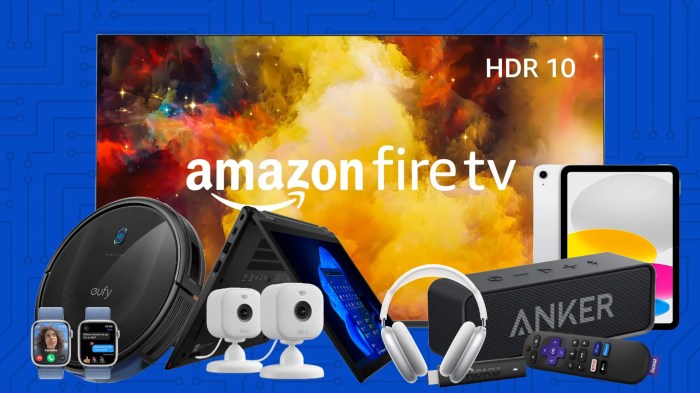
The allure of last-minute electronics deals stems from a potent combination of psychological factors and perceived value propositions. Consumers are drawn to these offers not just for the potential savings, but also for the thrill of the chase and the feeling of securing a limited-time opportunity. This behavior is influenced by a complex interplay of emotions and cognitive biases.The appeal of last-minute deals is rooted in several key psychological drivers.
The scarcity principle, for instance, creates a sense of urgency and fear of missing out (FOMO). This pressure can override rational decision-making, leading consumers to make impulsive purchases. Additionally, the perceived value of a deal is often amplified by the limited timeframe; the sense of urgency increases the perceived value, even if the actual discount is modest.
Finally, the excitement of a potential bargain can trigger a dopamine response in the brain, reinforcing the behavior and making it more likely to repeat.
Perceived Risks and Rewards of Impulsive Electronics Purchases
Purchasing electronics impulsively, driven by last-minute deals, involves both potential rewards and risks. The primary reward is the possibility of acquiring a desired electronic item at a significantly reduced price. This can lead to considerable savings, especially on high-ticket items like laptops or smartphones. However, the risks include purchasing a product that doesn’t fully meet one’s needs or discovering hidden flaws or defects after the purchase.
The short timeframe for decision-making limits the opportunity for thorough research and comparison shopping, increasing the chance of buyer’s remorse. Furthermore, the pressure to buy quickly can lead to overlooking crucial details in the product specifications or warranty information. A balanced assessment of these risks and rewards is essential before making a last-minute purchase.
Marketing Strategies Leveraging Urgency
Several effective marketing strategies capitalize on the urgency inherent in last-minute deals. One common approach is countdown timers displayed prominently on websites and marketing materials. These timers visually represent the dwindling time available to claim the offer, intensifying the sense of urgency. Another effective strategy is limited-quantity offers, where a specific number of items are available at the discounted price.
This scarcity further fuels the fear of missing out, encouraging quicker purchasing decisions. Flash sales, characterized by short-duration, highly discounted offers, also leverage the urgency principle effectively. For example, Amazon’s Prime Day and other retailer’s similar events successfully employ this strategy. Finally, using emotionally charged language in marketing copy, such as “Don’t miss out!” or “Limited time only!”, further amplifies the urgency and encourages impulsive buying.
Hypothetical Marketing Campaign: Scarcity-Driven Last-Minute Deals
A hypothetical marketing campaign focusing on the scarcity aspect of last-minute deals could center around the theme of “The Final Countdown.” The campaign could utilize a countdown timer prominently featured on the website and social media channels, highlighting the limited availability of specific electronics. Marketing materials could showcase images of the products with a superimposed countdown clock, emphasizing the dwindling time to purchase.
The campaign could also feature testimonials from previous customers who successfully secured deals during similar past events, adding a layer of social proof and reinforcing the value proposition. Email marketing could play a key role, sending out targeted messages to subscribers reminding them of the approaching deadline and the limited quantities available. Social media contests and giveaways could further amplify the campaign, generating excitement and encouraging user engagement.
The core message would consistently reinforce the limited-time nature of the offer, driving home the message that the opportunity is fleeting.
Types of Last-Minute Electronics Deals
Last-minute electronics deals offer consumers the chance to snag significant discounts on a wide array of products, from smartphones and laptops to smart home devices and headphones. These deals, often appearing unexpectedly, capitalize on both retailer needs to clear inventory and consumer demand for bargains. Understanding the various types of these deals is crucial for both savvy shoppers and retailers looking to optimize their sales strategies.The landscape of last-minute electronics deals is diverse, encompassing several distinct approaches each with its own advantages and disadvantages.
These variations cater to different consumer behaviors and retailer objectives, influencing the overall success of the promotion.
Flash Sales
Flash sales are characterized by their short duration and limited quantities. Retailers announce a significant discount on a specific product or a small selection of products for a very limited time, often just a few hours. This creates a sense of urgency and encourages immediate purchase.Consumers benefit from potentially deep discounts on desirable items, but the downside is the limited availability and short timeframe, requiring constant vigilance to secure the deal.
Retailers benefit from quickly moving inventory, generating excitement and brand awareness, but risk unsold stock if the sale doesn’t generate enough traction. Examples include Amazon’s “Lightning Deals” and Best Buy’s “Flash Sales.”
Clearance Sales
Clearance sales focus on moving older or excess inventory. Retailers offer significant price reductions on items they want to remove from their shelves to make room for new products or to avoid holding onto obsolete stock.Consumers gain access to discounted electronics, but the selection might be limited and the products may not be the newest models. Retailers clear out inventory, freeing up space and capital, but they may accept lower profit margins.
Many major electronics retailers utilize clearance sales throughout the year, often prominently displayed in-store and online.
Bundle Deals
Bundle deals involve offering several products together at a reduced price compared to purchasing them individually. This strategy encourages consumers to buy more items and increases the average order value.Consumers save money by purchasing multiple items simultaneously, but may feel pressured to buy products they don’t necessarily need. Retailers increase sales volume and revenue per customer, but require careful planning to ensure the bundle is attractive and profitable.
Examples of successful bundle deals include offering a laptop with a discounted printer or a smartphone with a free pair of headphones.
Promotional Sales Tied to Events
These sales leverage major events like Black Friday, Cyber Monday, or holidays to offer discounts. The deals are usually planned in advance, but the last-minute aspect comes from the short window to capitalize on the event-driven consumer demand.Consumers benefit from large-scale discounts across many products, but face intense competition from other shoppers. Retailers see a significant boost in sales during a short period, but require substantial planning and inventory management.
Almost every major electronics retailer participates in these event-driven sales.
| Deal Type | Typical Discount | Duration | Target Audience |
|---|---|---|---|
| Flash Sale | 20-50% | Few hours to a day | Bargain hunters, impulse buyers |
| Clearance Sale | 30-70% | Weeks to months | Budget-conscious consumers, those seeking specific older models |
| Bundle Deal | 10-30% (on the overall bundle) | Days to weeks | Consumers looking for value, those needing multiple items |
| Event-Driven Sale | 15-60% (variable depending on the product and event) | Days to a week | Broad consumer base seeking discounts |
Platforms Offering Last-Minute Electronics Deals
Securing the best last-minute electronics deals often hinges on knowing where to look. A variety of online and offline retailers employ different strategies to attract customers with limited-time offers, each presenting unique advantages and disadvantages for the savvy shopper. Understanding these platforms and their approaches is crucial for maximizing savings.Finding the best deals requires navigating a landscape of competing retailers, each with its own strengths and weaknesses.
Some prioritize breadth of selection, while others focus on aggressive price cuts or exclusive bundles. Consumers should consider factors like return policies, shipping costs, and customer service ratings when choosing a platform.
Major Online and Offline Platforms
Several prominent platforms consistently feature last-minute electronics deals. These range from large online marketplaces to specialized electronics retailers and even physical stores offering clearance sales. Each platform employs distinct strategies to entice customers, resulting in varying levels of competition and deal availability.
- Amazon: Amazon’s vast inventory and frequent flash sales make it a prime destination for last-minute electronics deals. Strengths include a wide selection, competitive pricing, and generally reliable customer service. Weaknesses can include potential difficulties with third-party sellers and occasional shipping delays.
- Best Buy: Best Buy offers a blend of online and in-store deals, often including promotions on specific brands or product categories. Strengths include knowledgeable in-store staff, easy returns, and a strong reputation for customer service. Weaknesses can include less aggressive pricing compared to online-only competitors during flash sales.
- Newegg: Newegg specializes in computer hardware and electronics, offering competitive prices and a wide selection of components. Strengths include a large selection of computer parts and often very competitive pricing, especially on older models. Weaknesses include a potentially less user-friendly website compared to some competitors.
- Walmart: Walmart offers a wide range of electronics at competitive prices, both online and in-store. Strengths include convenient locations for in-store purchases and a price-matching policy. Weaknesses include a potentially smaller selection of high-end electronics compared to specialized retailers.
- eBay: eBay’s auction-style format and vast marketplace offer unique opportunities for finding last-minute electronics deals, particularly for used or refurbished items. Strengths include the potential for finding exceptionally low prices on used or refurbished electronics. Weaknesses include higher risk of receiving damaged or non-functional goods, and less buyer protection compared to other platforms.
Strategies to Attract Customers
Platforms utilize diverse strategies to capture consumer attention during last-minute deal periods. These range from email marketing campaigns highlighting time-sensitive offers to employing social media promotions and utilizing website design to showcase limited-time offers prominently.Many platforms use a combination of strategies to maximize their impact. For example, Amazon might use targeted email marketing based on past purchase history, coupled with prominent display of deals on their website and app, while also leveraging social media platforms to generate buzz and excitement around specific flash sales.
Best Buy might focus on in-store promotions and demonstrations, combining this with online advertising to create a synergistic approach. These multi-pronged strategies aim to increase visibility and drive sales during short deal windows.
Analyzing Customer Behavior in Last-Minute Purchases
Last-minute electronics purchases are driven by a unique blend of urgency, opportunity, and often, a degree of impulsivity. Understanding these behavioral patterns is crucial for retailers looking to capitalize on this lucrative market segment. Analyzing customer behavior reveals key insights into motivations, decision-making processes, and ultimately, how to optimize offerings for maximum impact.Understanding the factors influencing last-minute electronics purchases requires examining the interplay of psychological and practical considerations.
The pressure of needing an item immediately, coupled with the allure of a significant discount, creates a compelling scenario for consumers. This often overrides careful comparison shopping, leading to faster decision-making processes and a higher likelihood of impulse buys.
Factors Influencing Last-Minute Purchasing Decisions
Several factors converge to shape purchasing decisions in high-pressure, last-minute scenarios. These include the perceived urgency of the need, the attractiveness of the deal itself, the availability of the desired product, and the level of trust in the retailer. Consumers facing time constraints are more likely to prioritize speed and convenience over extensive research. A compelling discount can override concerns about brand loyalty or product features.
Retailer Use of Data Analytics to Improve Last-Minute Deal Offerings
Retailers can leverage data analytics to significantly improve their last-minute deal strategies. By analyzing past purchase data, they can identify trends in demand for specific products during peak periods. This allows for more accurate forecasting and inventory management, minimizing stockouts and maximizing the effectiveness of promotional offers. For example, a retailer might observe a surge in demand for portable Bluetooth speakers before major holidays.
By analyzing this data, they can anticipate this demand and ensure sufficient stock, tailoring their last-minute deals accordingly, potentially offering bundled deals with related accessories to increase average order value. Furthermore, analyzing customer browsing and cart abandonment data can pinpoint specific pain points in the purchasing journey and inform strategies to optimize the checkout process, reducing cart abandonment rates during these high-pressure periods.
Creating a Customer Persona for a Typical Buyer of Last-Minute Electronics Deals
A typical customer persona for a last-minute electronics deal buyer might be “Sarah,” a 32-year-old professional who is tech-savvy but time-constrained. Sarah is often caught up in work and social commitments, leaving her with little time for extensive product research. She values convenience and speed, and is highly responsive to limited-time offers and discounts. Sarah frequently uses online shopping platforms and is comfortable with digital transactions.
She is likely to be influenced by social media reviews and recommendations from friends and family. Understanding Sarah’s needs and preferences allows retailers to tailor their marketing messages and deal offerings to resonate with her specific circumstances and priorities. For example, a targeted advertisement featuring a “flash sale” on a high-quality noise-cancelling headphone, emphasizing its ability to improve focus and productivity, would likely appeal to Sarah’s lifestyle and needs.
The Impact of LAST-MINUTE DEALS on the Electronics Market
Last-minute electronics deals significantly influence the dynamics of the electronics market, impacting pricing strategies, consumer behavior, and the overall sales performance of retailers. These deals, often characterized by urgency and limited availability, create a ripple effect throughout the industry, forcing adjustments in pricing and marketing approaches.Last-minute deals introduce a level of unpredictability into the electronics market’s pricing strategies. Retailers use these deals to clear out excess inventory, boost sales during slow periods, or compete with rivals.
This can lead to price wars and a general downward pressure on prices, especially for older models or less popular items. However, it also allows retailers to maintain higher margins on their core products by strategically offering discounts on specific items. The overall effect is a complex interplay between price competition and strategic pricing management.
Pricing Strategies and Last-Minute Deals
The implementation of last-minute deals necessitates a flexible pricing strategy. Retailers must carefully balance the need to clear inventory with the desire to maintain profitability. This often involves sophisticated algorithms and data analysis to predict demand and optimize pricing in real-time. For example, a retailer might offer a significant discount on a slightly older smartphone model to make room for the newest release, while maintaining the price of the flagship model.
This approach allows them to manage inventory effectively while maximizing profits across their product range.
Consumer Spending Habits and Last-Minute Deals
Last-minute deals demonstrably influence consumer spending habits. The limited-time nature of these offers creates a sense of urgency, prompting impulsive purchases. Consumers are more likely to make unplanned purchases when presented with a significant discount, especially if they perceive the deal as exceptional value. This is particularly true for price-sensitive consumers and those actively searching for bargains. For instance, a consumer might delay purchasing a new laptop until they find a last-minute deal during a holiday sale, ultimately spending more than they originally intended due to the perceived value of the deal.
Risks and Benefits of Over-Reliance on Last-Minute Deals
While last-minute deals can be highly effective for boosting sales, over-reliance on them carries inherent risks. A heavy dependence on these deals can damage a retailer’s brand image, leading to a perception of lower quality or less reliable pricing. Consumers might become accustomed to waiting for discounts, reducing full-price sales. Furthermore, consistent deep discounting can erode profit margins, making it difficult for the retailer to sustain its business in the long term.
Conversely, carefully implemented last-minute deals can effectively clear inventory, generate excitement around the brand, and attract new customers.
Hypothetical Scenario: Over-Reliance on Last-Minute Deals
Imagine a major electronics retailer, “TechGiant,” that heavily relies on last-minute deals to drive sales. Initially, this strategy is successful, leading to increased sales and market share. However, over time, consumers become conditioned to expect deep discounts, resulting in a significant decline in full-price sales. TechGiant’s profit margins shrink dramatically as they are forced to offer increasingly large discounts to compete.
Their brand image suffers, as consumers perceive their products as overpriced when not on sale. Eventually, TechGiant struggles to maintain profitability and faces a significant loss of market share to competitors with more sustainable pricing strategies. This hypothetical scenario highlights the potential pitfalls of over-relying on last-minute deals as a primary sales driver.
Visual Representation of Last-Minute Deal Data
A compelling visual representation can effectively communicate the sales trends of last-minute electronics deals. By charting sales volume over a defined period, we can gain valuable insights into consumer behavior and market dynamics. This allows businesses to optimize their strategies for future promotions.To illustrate, consider a line graph depicting sales volume of last-minute electronics deals over a six-month period (e.g., October to March).
The horizontal axis would represent the months, while the vertical axis would represent the total sales volume (measured, for example, in units sold or total revenue generated). Each data point on the graph would correspond to the sales volume for a specific month.
Sales Volume Trends in Last-Minute Electronics Deals
The graph would likely reveal fluctuations in sales volume throughout the six-month period. For instance, we might observe a significant spike in sales volume during the holiday season (November and December), reflecting increased consumer spending and the popularity of last-minute gift purchases. Conversely, sales volume might be lower during the months immediately following the holidays, as consumers deplete their budgets and retailers reduce their promotional efforts.
Further analysis could reveal subtle patterns, such as a slight increase in sales towards the end of each month, potentially indicating a surge in last-minute purchases as consumers approach payday or deadlines. These trends can inform pricing strategies, inventory management, and marketing campaigns. For example, a retailer might choose to increase its inventory of popular electronics in anticipation of the holiday sales surge, or they might launch targeted advertising campaigns in the days leading up to payday to capture last-minute shoppers.
Last-minute electronics deals represent a dynamic interplay between retailer strategies and consumer psychology. While the allure of immediate gratification and potential savings is undeniable, consumers must approach these deals with informed decision-making, weighing the risks and rewards. For retailers, understanding customer behavior and utilizing data analytics is key to optimizing these promotions for maximum impact and minimizing potential negative consequences.
Ultimately, the success of last-minute deals hinges on a delicate balance between urgency and value.
Detailed FAQs
Are last-minute electronics deals always a good deal?
Not necessarily. While many offer significant savings, it’s crucial to compare prices and ensure the product meets your needs before purchasing impulsively.
What are the risks of buying electronics last minute?
Risks include limited selection, potential for defects (reduced return options), and the pressure of making a quick decision without thorough research.
How can I avoid scams related to last-minute electronics deals?
Stick to reputable retailers and platforms, verify seller legitimacy, and be wary of deals that seem too good to be true. Read reviews before purchasing.
What is the best time to look for last-minute electronics deals?
Major holidays, end-of-year sales, and just before new product releases are typically good times to find discounts.


